Deadline Date: September 17, 2026
The European Commission is seeking grant applications to enhance water resilience in agriculture by improving groundwater management and adapting farming systems to increasing climate-related water scarcity.
The focus areas include managed aquifer recharge techniques (MAR) development and adaptation, groundwater recharge systems, rural water management, climate change adaptation, agricultural water resilience, groundwater quality and quantity monitoring, ecosystem protection and restoration, water-related ecosystem services, drought resilience, nature-based and engineered solutions, business models for water management, payment schemes and credit systems, cost-benefit analysis, governance frameworks, and policy support for sustainable water use in agriculture.
The total funding available is €12,000,000, with approximately €6,000,000 per project.
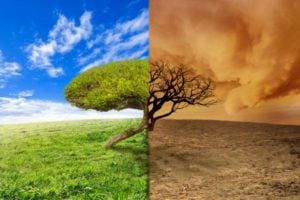
The initiative addresses the increasing frequency, magnitude, and impact of droughts across the European Union, alongside the expanding geographical area affected by water scarcity. It highlights the need for improved water storage systems that reduce dependence on surface and groundwater abstraction while enhancing environmental sustainability in agriculture and food systems.
Projects under this topic are expected to extend, improve, and tailor managed aquifer recharge techniques at farm, basin, and catchment levels across diverse European agricultural contexts. These solutions must consider varying climate change impacts and regional conditions to ensure effective implementation and scalability.
Proposals are required to develop a methodology for identifying suitable locations for MAR implementation and validate it through case studies in representative regions. This should include assessment of climate-related risks and regional suitability conditions.
Projects must also establish a user-friendly monitoring, reporting, and verification system to track impacts on groundwater quality and quantity, as well as associated aquatic and terrestrial ecosystems. This system should support transparent and continuous evaluation of environmental outcomes.
Further requirements include evaluating the environmental, social, and economic sustainability of MAR techniques, including impacts on groundwater ecosystems, drinking water resources, and related ecosystems. This evaluation should integrate both engineered and nature-based solutions to reduce runoff, soil erosion, and improve landscape resilience.
Proposals must also assess the cost-benefit of MAR systems and develop viable business models, including compensation mechanisms such as payments, water credits, nature credits, or carbon credits for farmers and land managers participating in MAR initiatives.
The feasibility of these business models must be demonstrated through at least two case studies in different pedoclimatic zones, along with analysis of barriers to adoption by farmers and land managers.
In addition, projects are expected to develop governance frameworks suitable for different socio-economic, regulatory, and environmental conditions across regions.
The actions under this topic align with the EU Vision for Agriculture and Food, the European Water Resilience Strategy, and the EU Climate Adaptation Strategy.
Eligibility is open to any legal entity regardless of place of establishment, including entities from non-associated third countries and international organisations, provided they meet Horizon Europe Regulation requirements and other applicable conditions. A legal entity is any recognised natural or legal person with legal personality, or an entity without legal personality capable of exercising rights and obligations.
For more information, visit European Commission.