Deadline Date: April 22, 2026
The International Water Management Institute has launched the National Water Innovation Hackathon 2026 to support youth innovators and community-led initiatives in developing scalable solutions to address water challenges in India.
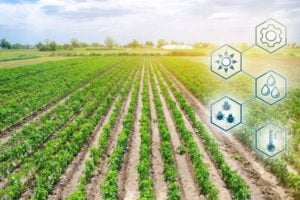
The focus areas include data-driven innovations for smarter water solutions, wastewater and circular economy innovations, AI for disaster preparedness and early action, inclusive community-led water governance, and climate-smart water management. Innovation recognition and grants will be provided to support promising innovations: INR 50,000, INR 30,000, and INR 20,000 for the winner, first runner-up, and second runner-up in the Best Youth Innovator category. INR 100,000 for the Best Community-led Initiative In addition, selected participants will benefit from certificates, recognition and mentorship from experts.
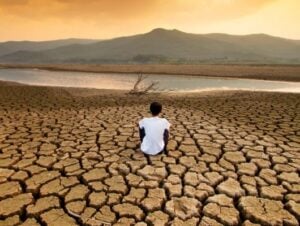
The hackathon is designed to bring together a wide range of participants, including youth innovators, startups, and community-based organizations, to collaboratively develop practical and scalable solutions. It provides a platform for participants to showcase ideas that respond to pressing water-related challenges such as groundwater depletion, inefficient agricultural water use, and limited access to safe water.
Participants can apply under two categories, one for youth innovators and another for community-led initiatives. The program encourages collaboration and innovation across sectors, promoting solutions that are inclusive and climate-smart while addressing real-world challenges faced by communities.
Selected participants will receive recognition and financial support to advance their ideas. Awards include cash prizes for top youth innovators as well as a larger grant for the best community-led initiative, helping to further develop and implement promising solutions.
The opportunity is open to Indian citizens aged 18 to 35, including students, researchers, entrepreneurs, and grassroots innovators. Special encouragement is given to women, Indigenous groups, and marginalized communities to participate and contribute their ideas.
Applicants are required to submit proposals that clearly define the water-related challenge, outline the proposed solution and its expected impact, present an implementation plan, include a community engagement strategy with a focus on women’s participation, and provide an estimated budget.
For more information, visit IWMI.