Deadline Date: February 04, 2026
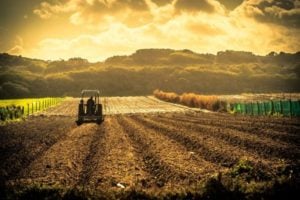
The United Nations Development Programme (UNDP) Armenia has launched an Innovation Challenge under Platform #5 to support smart and innovative solutions that accelerate economic opportunities for vulnerable women engaged in horticulture.
The challenge focuses on economic empowerment of women farmers through increased income and independence, capacity building in high-value crop production, processing, marketing and financial management, provision of essential agricultural inputs and productive assets, and the creation of sustainable market linkages connecting women farmers with SMEs and market platforms.
The call seeks innovative ideas that can strengthen the participation of self-employed and vulnerable women in Armenia’s horticulture value chain, particularly in the targeted regions of Vayots Dzor, Tavush, and Lori. By supporting women farmers with skills, resources, and access to markets, the initiative aims to enhance livelihoods while promoting inclusive local economic development. Selected proposals may receive funding of up to USD 40,000, with an expected contract duration of 12 months starting in March 2026.
Proposed solutions are expected to integrate women more effectively into high-value horticulture by combining practical capacity development with access to inputs such as seeds, tools, fertilizers, irrigation systems, and greenhouse materials. These interventions are intended to enable women farmers to increase productivity, improve product quality, and better manage their agricultural activities.
A strong emphasis is placed on sustainable market access, encouraging partnerships between women farmers, successful small and medium enterprises, cooperatives, and market platforms. Through these linkages, the challenge aims to ensure long-term income generation and resilience for women-led agricultural activities.
Eligible applicants include SMEs, cooperatives, non-governmental organizations, and foundations with innovative solutions aligned to the objectives of the challenge.
For more information, visit UNDP.