Deadline Date: March 31, 2026
The BARD Food Security Technology Accelerator is a joint initiative by the Israel-U.S. Binational Agriculture Research and Development Foundation (BARD) designed to support collaborative R&D projects between Israeli and American partners to bridge research and industry, accelerate innovation, and advance solutions in food security.
The program focuses on collaborative R&D between Israeli and American partners, bridging research and industry, accelerating the path from discovery to application, fostering innovation in food security, supporting projects at Technology Readiness Levels (TRL) 3–6, promoting significant technological innovation with high commercial and social impact, funding R&D, dissemination, and commercialization activities, and sharing risk and reward between partners.
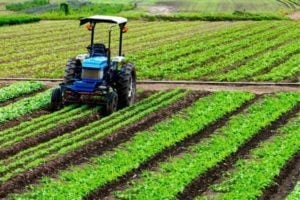
Current agricultural research focuses on climate resilience, crop and animal health, and digital farming. Innovations include developing hardy crop varieties, vertical farming, and greenhouse technologies to withstand harsh conditions; advanced tools to prevent and detect plant and animal diseases; and AI-driven precision farming to optimize inputs, monitor crops, and improve yields sustainably.
The program provides conditional grants of up to $1 million for projects with a total budget of up to $1.6 million over two years, fully funding academic partners and partially funding industry partners. Eligible consortia must include at least two research institutions, one from Israel and one from the U.S., and two industry partners, one from each country. In some cases, subsidiaries of the same parent company in both countries may qualify as distinct partners. Academic institutions must receive at least 50% of the total grant, while industry partners must contribute a minimum of 10–30% depending on the TRL.
Projects supported must be at TRL 3–6 and address the specific fields outlined in the call for proposals, with a strong focus on technological innovation that delivers both commercial and social benefits. The grant is structured to encourage collaboration, share risk and reward, and ensure that research outcomes are translated into practical applications for food security.
For more information, visit BARD.